
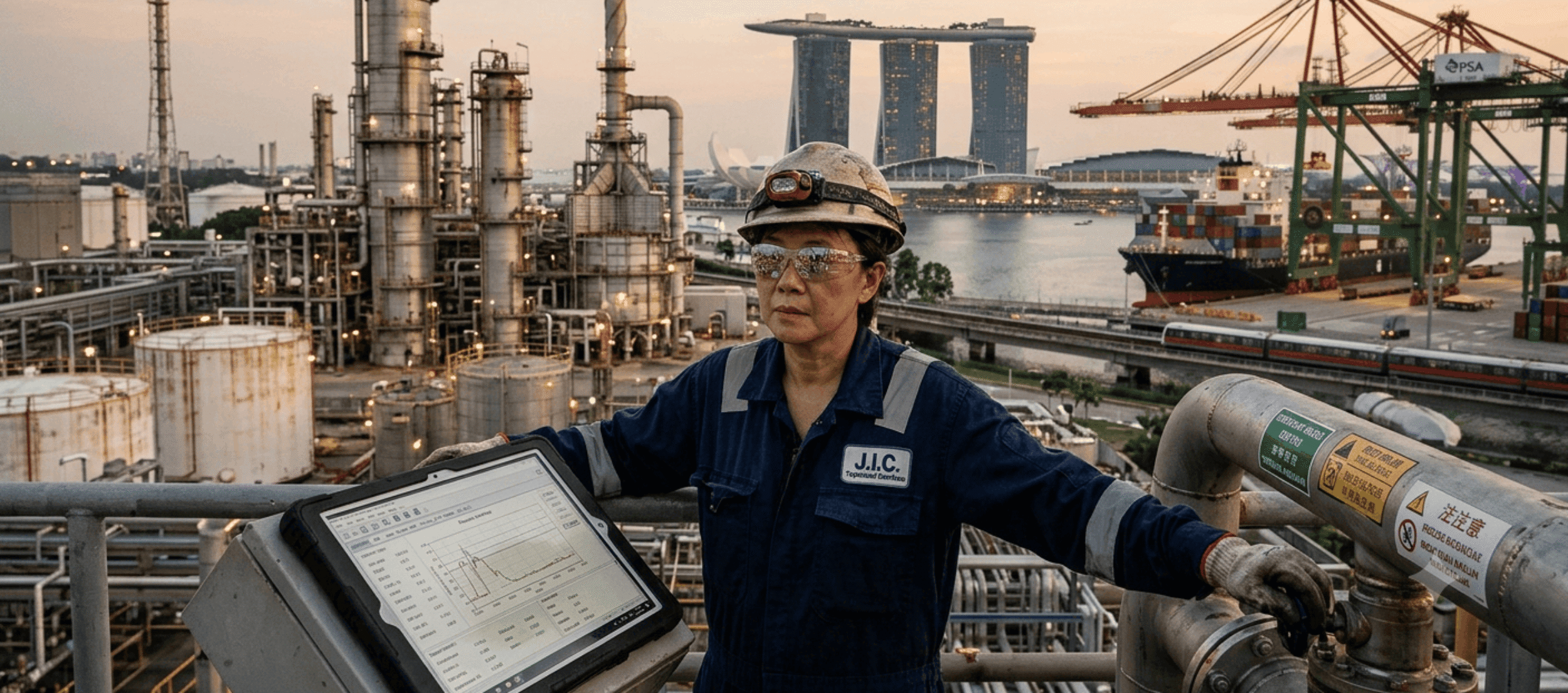
 Singapore is one of Asia’s most important business destinations, attracting entrepreneurs, investors, multinational corporations, and skilled professionals from around the world. Its strategic location, modern infrastructure, skilled workforce, and business-friendly environment have helped it develop into a major international commercial hub. From financial services and technology to healthcare and logistics, Singapore offers opportunities across a wide range of industries.
Understanding the country’s major industries can help businesses identify potential partners, professionals explore career opportunities, and investors learn more about its economic landscape.
1. Financial Services and Banking
Singapore has established itself as a leading financial centre in Asia. The country is home to local banks, international financial institutions, insurance providers, investment companies, and wealth management firms.
Major banking institutions include DBS Bank, OCBC Bank, and United Overseas Bank (UOB). These companies provide services such as personal banking, business loans, corporate finance, digital payments, and wealth management.
The financial services sector supports Singapore’s economy by connecting businesses with international markets and providing financial solutions for individuals and organizations. Its well-developed regulatory framework and advanced digital banking services also contribute to the country’s reputation as a financial destination.
2. Technology and Digital Innovation
Technology is another important part of Singapore’s business ecosystem. Companies in this sector work across software development, cloud computing, cybersecurity, artificial intelligence, e-commerce, and digital payments.
Sea Limited, headquartered in Singapore, operates digital businesses through platforms such as Shopee and Garena. Grab, another major company with its regional headquarters in Singapore, offers services covering mobility, food delivery, and digital financial solutions.
Global technology companies also maintain significant operations in Singapore, benefiting from its connectivity, skilled professionals, and access to Southeast Asian markets.
As organizations increasingly adopt digital tools, demand continues for technology solutions that improve business operations, customer experiences, and data security.
3. Healthcare and Biotechnology
Singapore has developed a strong healthcare ecosystem that includes hospitals, medical research institutions, pharmaceutical companies, biotechnology firms, and healthcare technology providers.
Healthcare organizations serve both local residents and international patients. The country’s emphasis on medical research, advanced facilities, and professional training supports continued development in the sector.
Companies and institutions involved in pharmaceuticals, medical devices, and biotechnology contribute to research and the development of new healthcare solutions.
For businesses interested in healthcare, Singapore offers opportunities in medical technology, digital health, research partnerships, and specialized healthcare services.
4. Logistics and Transportation
Singapore’s location along major international shipping routes makes it an important centre for global trade and logistics. Its port, airport, warehousing facilities, and transportation networks help connect businesses across Asia and other regions.
PSA International is a major global port operator headquartered in Singapore. Singapore Airlines is also an internationally recognized aviation company connecting Singapore with destinations worldwide.
Logistics companies provide services such as freight forwarding, supply chain management, shipping, warehousing, and cargo transportation.
As global trade evolves, businesses in this industry are increasingly investing in automation, digital tracking systems, and more efficient supply chain solutions.
5. Real Estate and Construction
Singapore’s real estate industry includes residential developments, commercial buildings, industrial properties, shopping centres, and integrated developments.
Companies such as CapitaLand and City Developments Limited (CDL) have significant involvement in property development and investment.
The sector supports businesses by providing office spaces, retail locations, industrial facilities, and residential accommodation. It also creates demand for architecture, engineering, interior design, property management, and construction services.
Businesses considering Singapore as an operating base often evaluate property costs, location, transportation access, and available commercial facilities.
6. Energy and Sustainability
Sustainability has become an increasingly important business priority in Singapore. Companies are exploring renewable energy, energy efficiency, sustainable construction, waste management, and environmental technologies.
As businesses work to reduce their environmental impact, demand for sustainable solutions creates opportunities for established companies and innovative startups.
Organizations offering energy management, environmental consulting, and green technology services can play an important role in supporting these initiatives.
How to Choose the Right Singapore Company
Finding the right company depends on your specific needs. Before selecting a business partner or service provider, consider the following factors:
- Industry experience: Review the company’s background and expertise.
- Reputation: Research customer feedback and independent business information.
- Services: Confirm that the company offers the products or services you require.
- Credentials: Check relevant licences, registrations, and certifications.
- Communication: Evaluate responsiveness and clarity when discussing requirements.
- Business terms: Review pricing, contracts, warranties, and service conditions.
For important decisions, verify company details through official websites and relevant Singapore government resources.
Conclusion
Singapore’s business environment includes established financial institutions, technology companies, healthcare providers, logistics operators, property developers, and sustainability-focused organizations. Each industry contributes to the country’s role as an international business hub.
Whether you are researching potential employers, exploring business partnerships, or learning about the Singapore economy, understanding these industries provides a useful starting point.
Best Singapore Companies aims to help readers explore different sectors and discover businesses that match their professional interests and business requirements. With proper research and careful evaluation, you can make more informed decisions when navigating Singapore’s diverse corporate landscape.…
 Singapore is a popular destination for businesses seeking access to Asian markets, reliable infrastructure, and a well-developed commercial environment. From small service providers and technology startups to established multinational corporations, the country offers a wide range of businesses serving different industries.
 6. Assess Communication and Customer Support